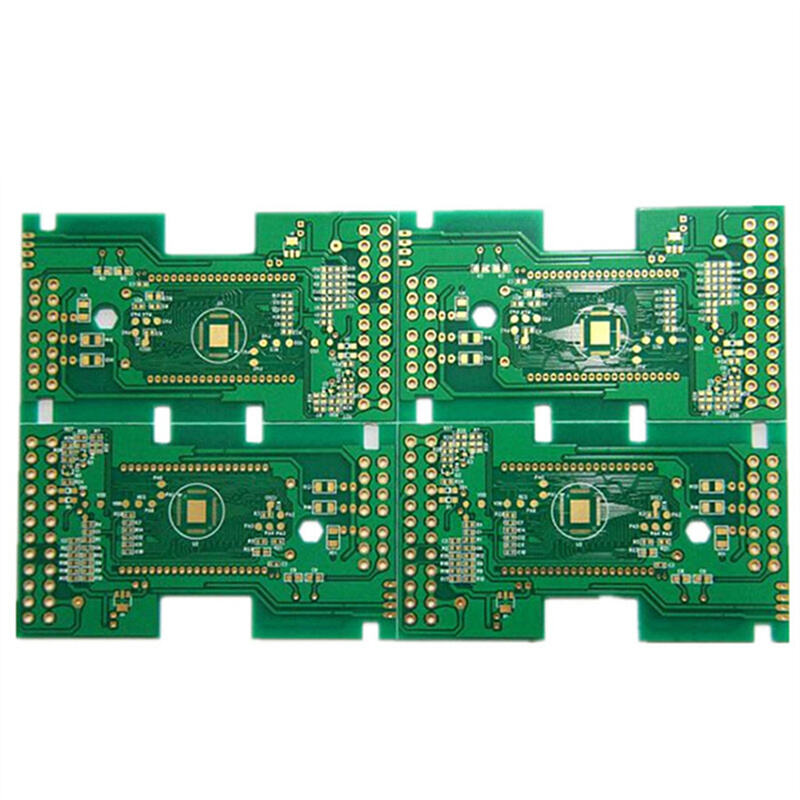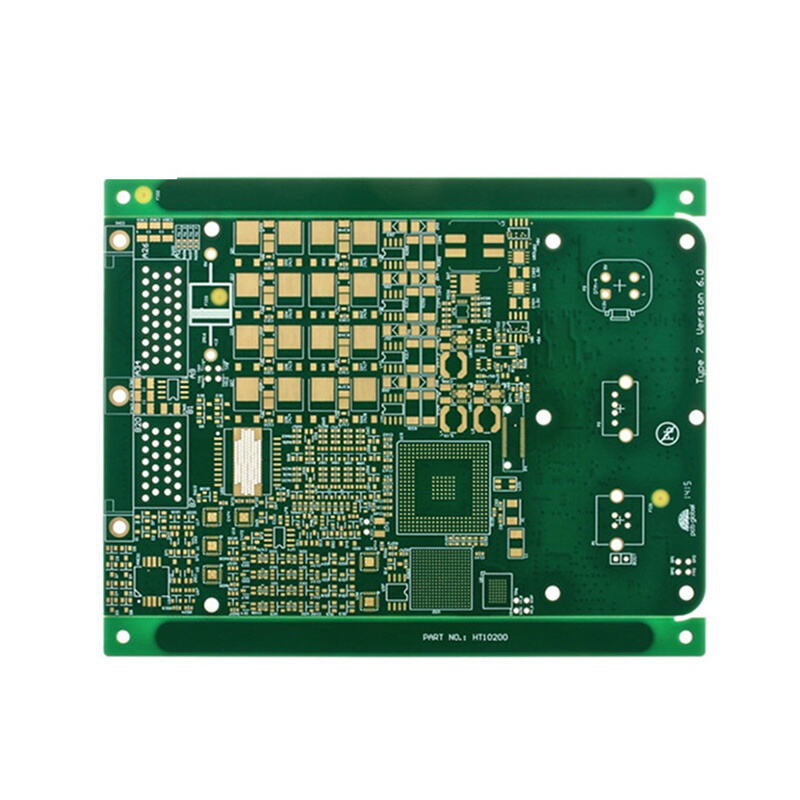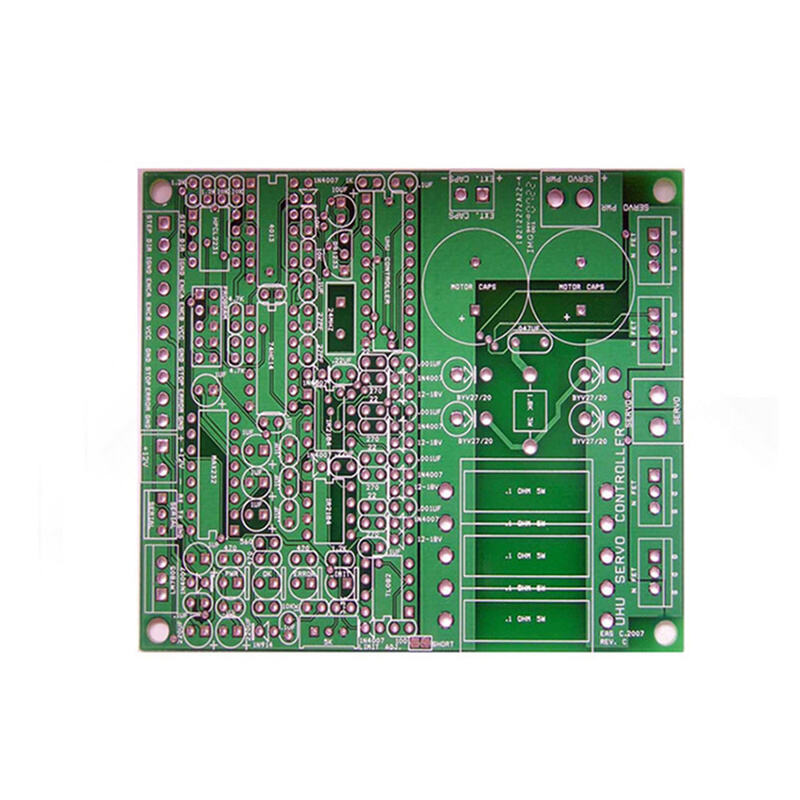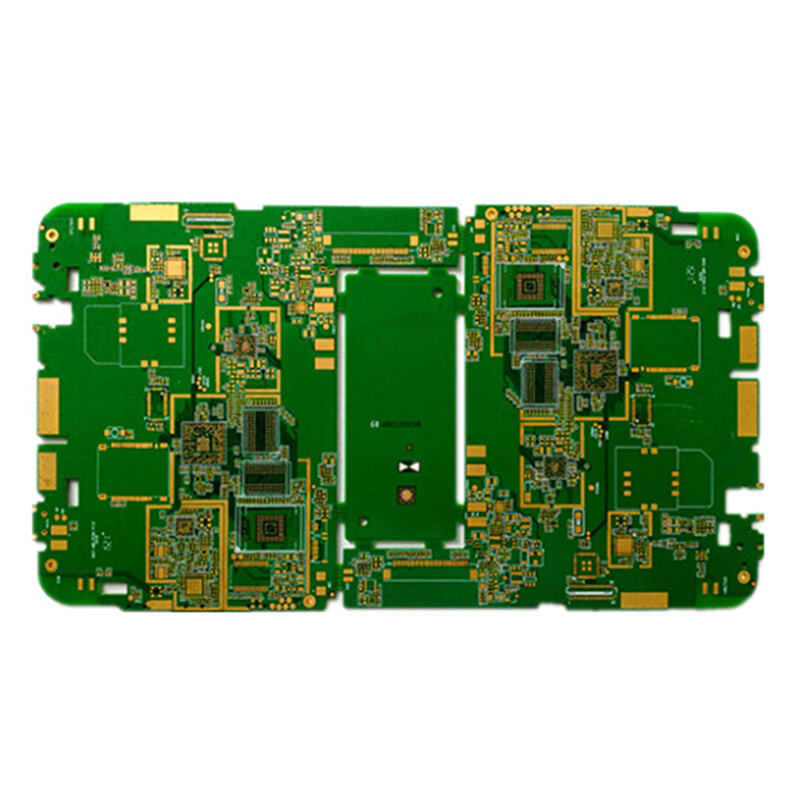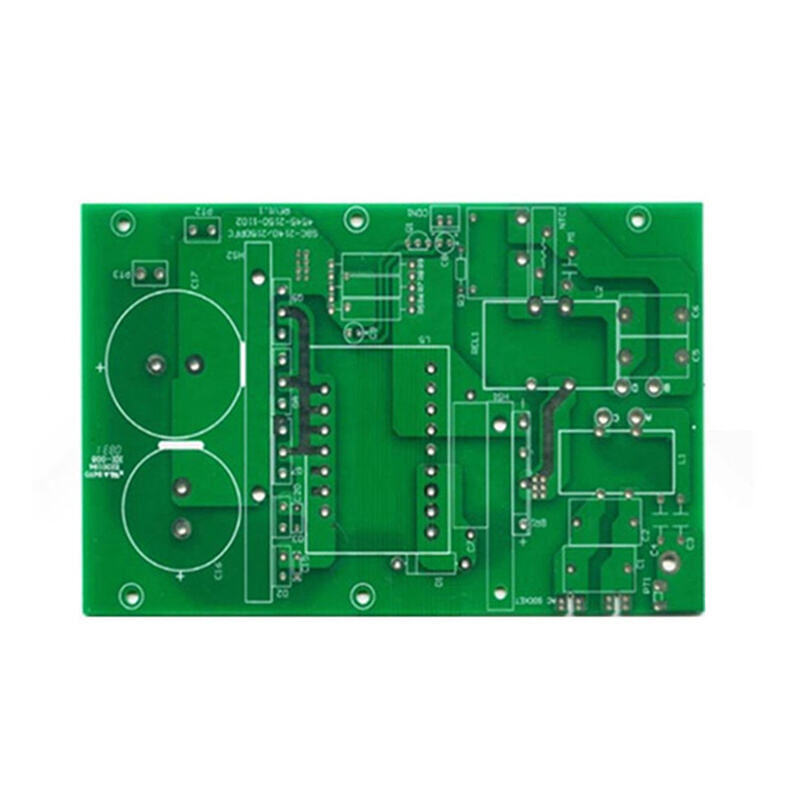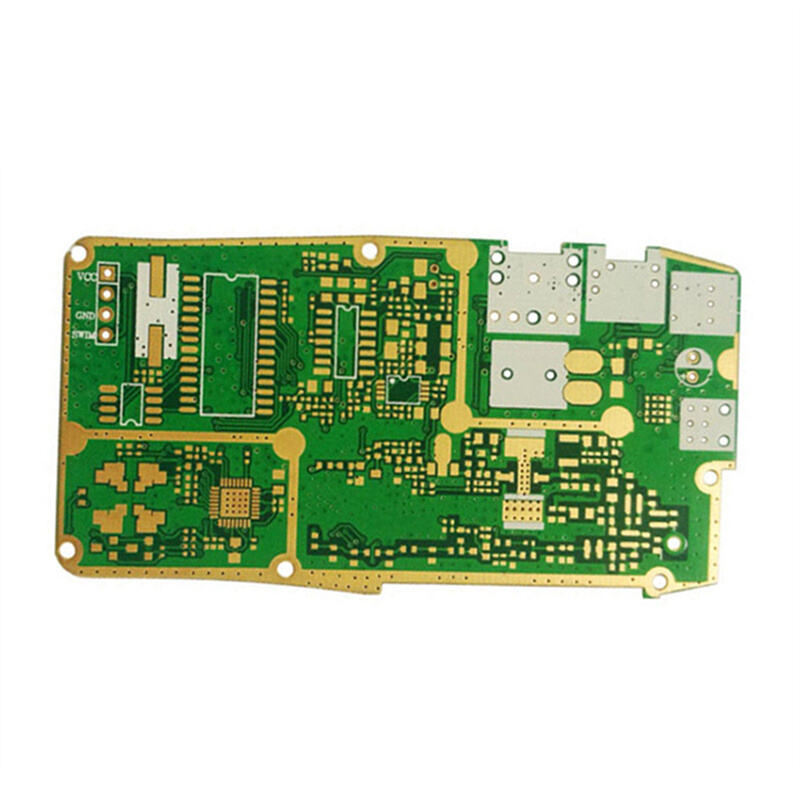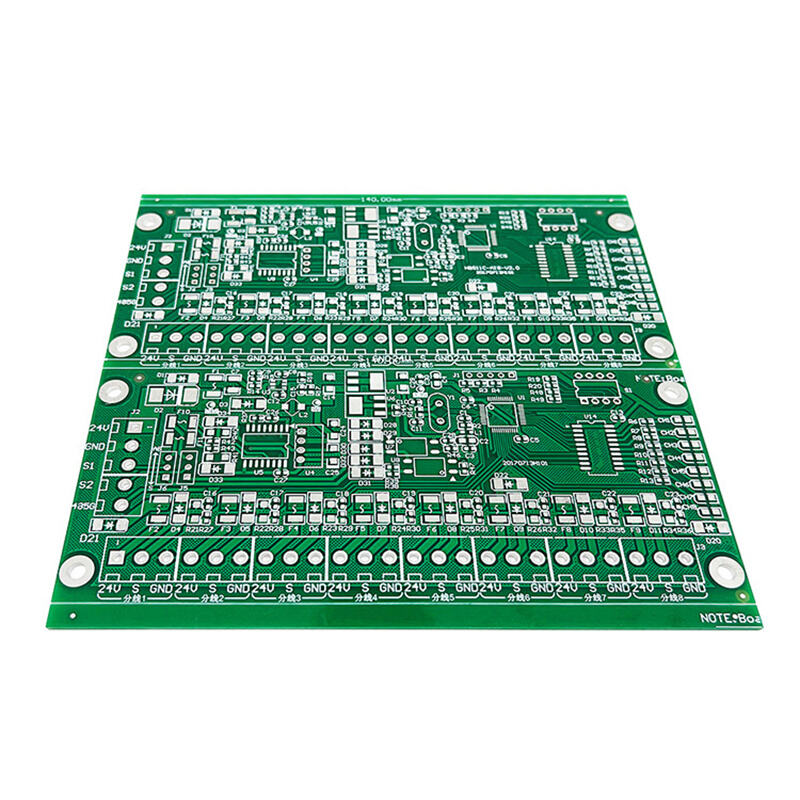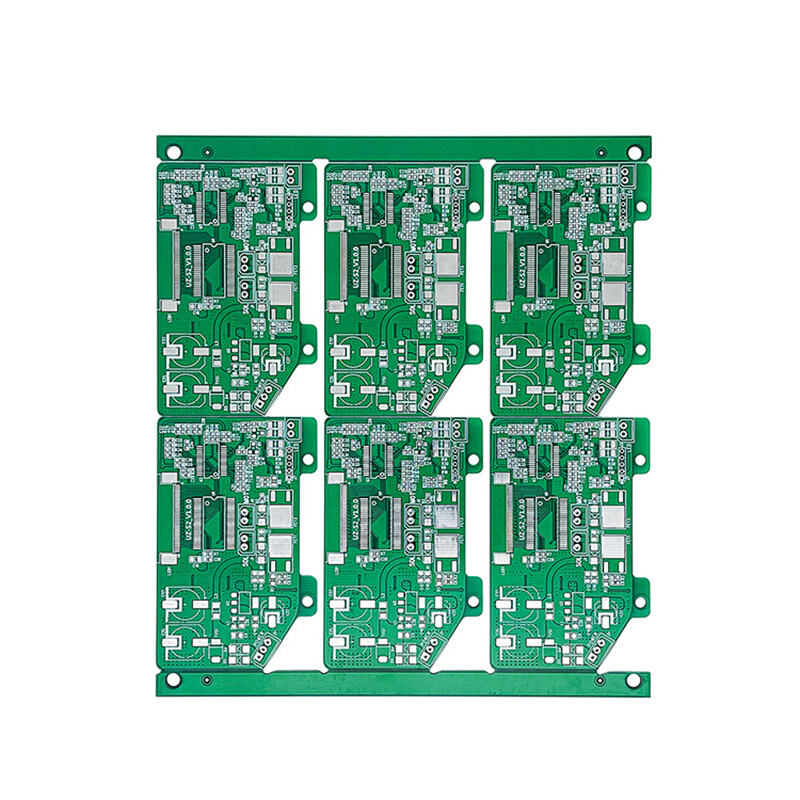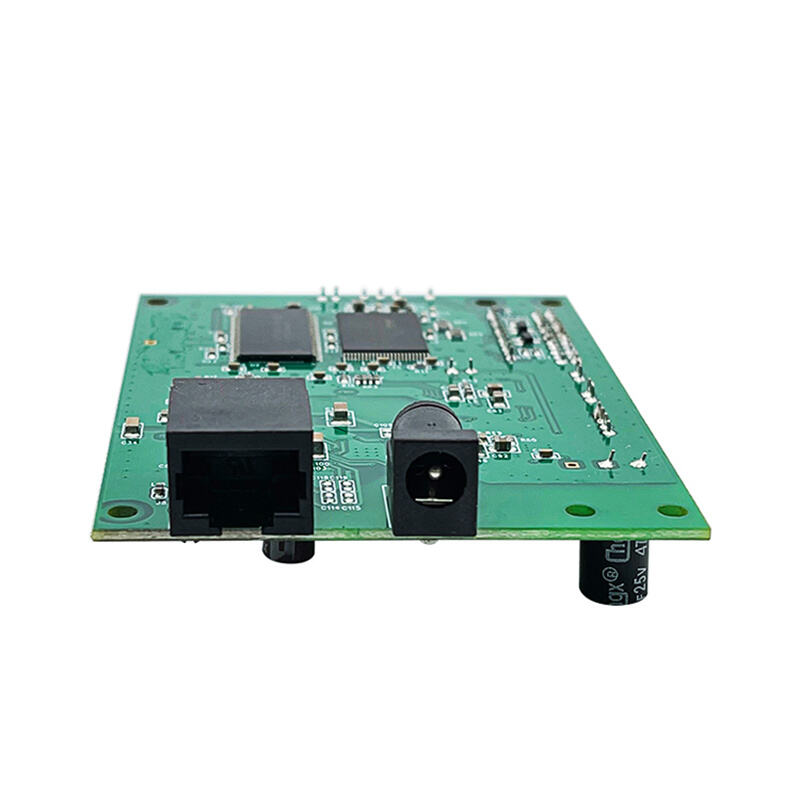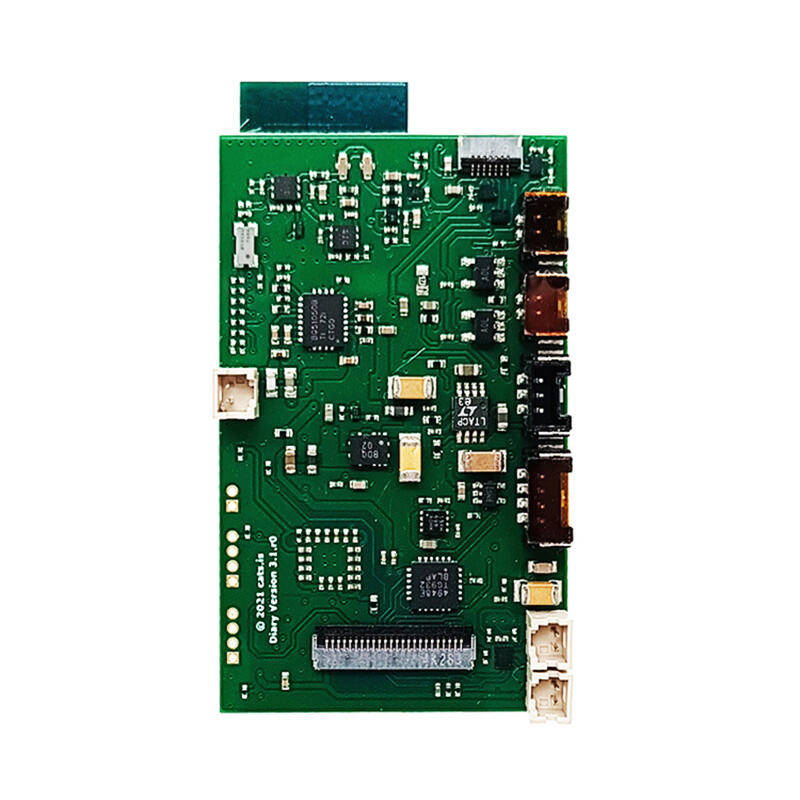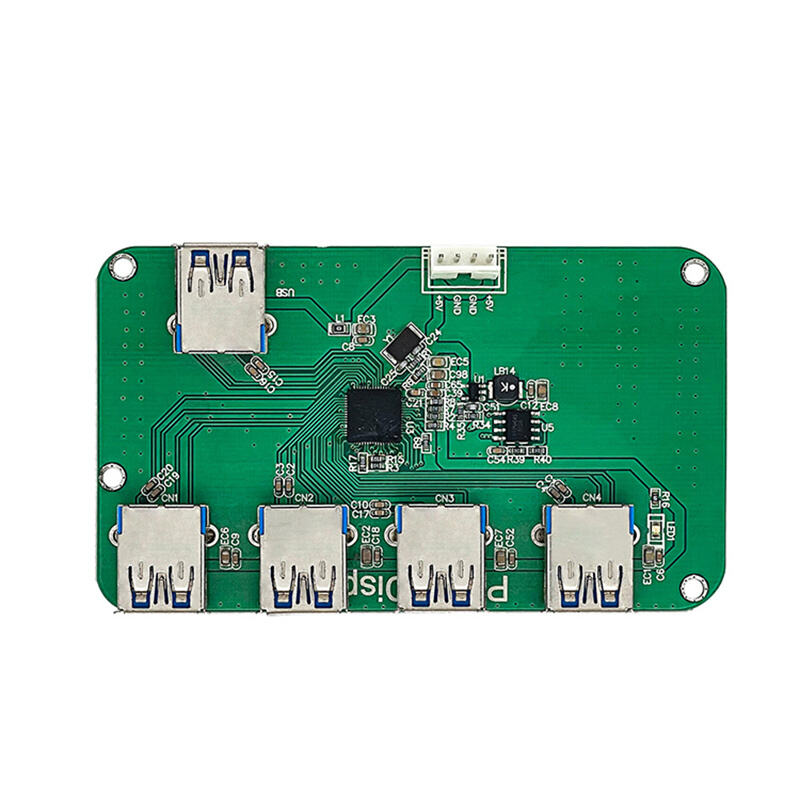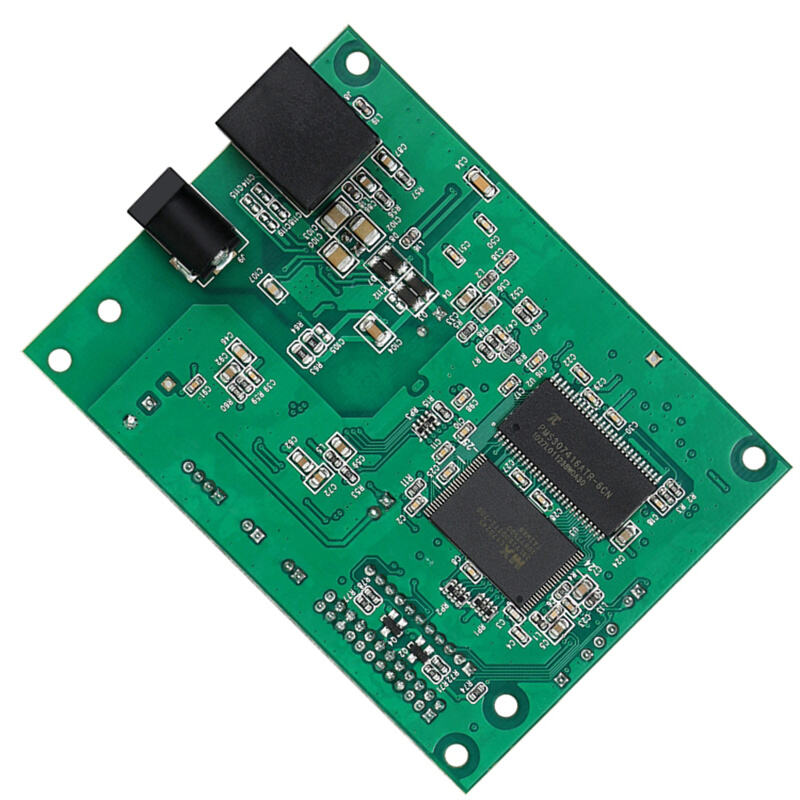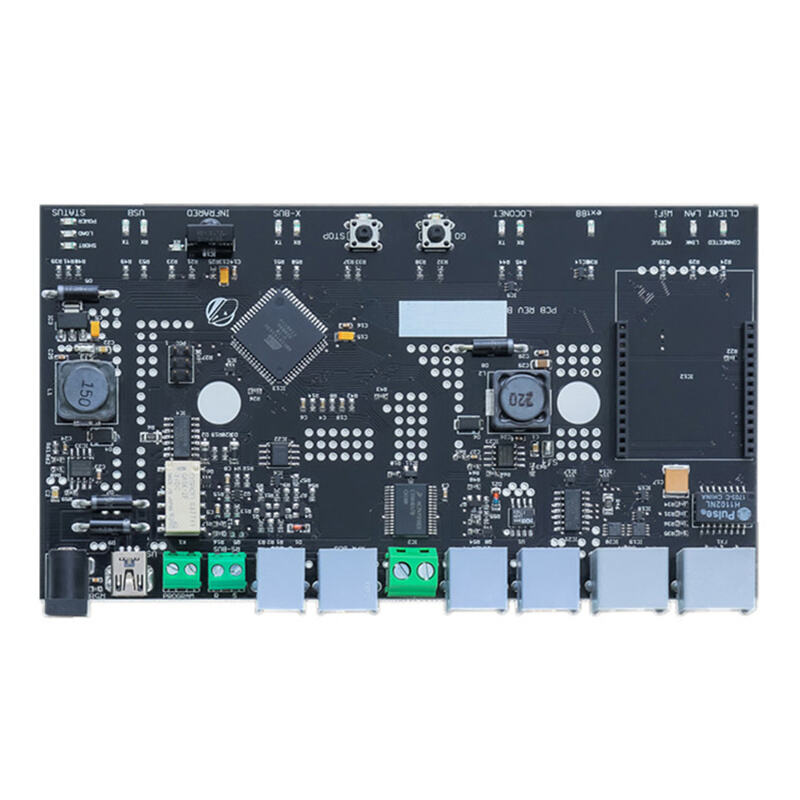

This high-density multilayer rigid printed circuit board (PCB) is engineered for demanding industrial and high-performance electronic applications that require complex circuit integration and reliable signal transmission. Constructed from high-quality FR-4 substrate (with optional high-TG materials), it delivers exceptional mechanical stability, thermal resistance, and electrical performance, making it ideal for high-component-density designs.
Featuring precision multilayer circuit routing, fine-pitch component pads, and advanced via technologies (including blind/buried vias for space optimization), this PCB supports the mounting of high-density components such as BGA, QFP, and SMD devices, enabling compact, powerful electronic module design. The advanced manufacturing process ensures tight impedance control, low signal loss, and excellent thermal management, critical for high-speed data transmission and power-intensive applications.
We offer full customization services, including layer count configuration (from 2 to 20+ layers), impedance matching, material selection, and complex routing design, to meet your specific technical requirements. Whether for industrial control systems, communication equipment, server modules, or automotive electronics, this high-density rigid PCB provides a robust, reliable, and high-performance foundation that accelerates product development and ensures long-term operational stability.
| Place of Origin | China |
| Brand Name | [Your Brand] |
| Model Number | Rigid-Multilayer-PCB-006 |
| Certification | RoHS, REACH, ISO 9001, IPC-6012, UL (optional) |
| Base Material | FR-4 (TG130/TG150/TG170 customizable) |
| Conductor Material | Electrodeposited Copper (1oz/2oz customizable) |
| Layer Count | 2–20+ layers (customizable) |
| Minimum Line Width | 0.075mm (0.05mm for advanced processes) |
| Minimum Line Spacing | 0.075mm (0.05mm for advanced processes) |
| Board Thickness | 0.8mm–3.2mm (customizable) |
| Surface Finish | HASL, ENIG, Immersion Silver, OSP (optional) |
| Via Type | Through-hole, blind, buried (customizable) |
| Impedance Control | ±10% (customizable) |
| Operating Temperature | -40°C to +135°C (depends on material) |
· Industrial Control: Used in PLCs, industrial automation systems, and power management modules.
· Communication Equipment: Integrated into routers, switches, and base station modules for high-speed signal transmission.
· Server & Data Center: Applied in server motherboards and storage devices for high-density computing.
· Automotive Electronics: Utilized in ADAS, infotainment systems, and power control units (PCUs).
· Medical Devices: Used in diagnostic equipment and patient monitoring systems for reliable performance.
1. High Component Density: Supports fine-pitch BGA/QFP components, enabling compact, powerful module design.
2. Multilayer Routing: Advanced multilayer technology enables complex signal/power distribution in limited space.
3. Signal Integrity: Precision impedance control and low-loss materials ensure stable high-speed data transmission.
4. Thermal Stability: High-TG FR-4 materials and thermal management design withstand high-temperature environments.
5. Full Customization: Tailored to layer count, material, impedance, and surface finish to match your application.
Q: What is the maximum layer count you can support for this rigid PCB?
A: We can manufacture up to 20+ layers, with advanced processes supporting blind and buried vias for ultra-high-density designs.
Q: Can you provide impedance control for high-speed signal applications?
A: Yes, we offer precise impedance matching (±10% tolerance) for differential pairs and single-ended signals, critical for high-speed communication.
Q: What is the lead time for high-layer-count PCB samples?
A: Sample lead time is typically 7–15 working days (depending on layer count and complexity), while mass production lead time is 10–25 working days.
Q: What surface finish options are available for this PCB?
A: We offer HASL (lead-free), ENIG, immersion silver, and OSP surface finishes to meet different soldering and reliability requirements.
Professional PCBA manufacturer in China, providing one-stop manufacturing services with excellent quality and service.
Room 602 & 603, Building C, Qianwan Key & Core Technology Industrial Park, Bao'an District, Shenzhen, China
Copyright © Shenzhen UC Industrial Limited All Rights Reserved Privacy Policy
 EN
EN