
 EN
EN
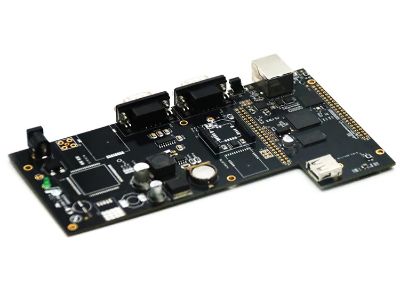
There are two main ways to make printed circuit boards (PCBs): Surface Mount Technology (SMT) and Through-Hole Technology. These methods are important in the electronics world. They help create the pcb board fabrication that connect various parts in devices like smartphones, computers, and appliances. At UC, we focus on both types of assembly, but they each have their strengths and weaknesses. Knowing the differences can help buyers choose the right option for their needs.
What are the Key Advantages of SMT PCB Assembly for Wholesale Buyers?
SMT PCB assembly has many benefits, especially for wholesale buyers. One big advantage is size. SMT allows for smaller components to be placed directly onto the surface of the PCB. This means that boards can be made smaller and lighter, which is great for modern gadgets. For example, a smartphone using SMT can be thinner and more portable than one using Through-Hole technology. Another benefit is speed. SMT can be much faster because machines can place many components at once. This pcb board assembly helps get products to market quicker, which is important when competition is high. Moreover, the automated process of SMT reduces human error. When machines do the work, there is less chance of mistakes compared to hand-placing components. This also leads to more consistent quality across boards. Additionally, SMT can lower costs. Even though the initial setup may be more expensive, the savings in labor and materials can be significant in the long run. For wholesale buyers, lower costs mean better prices for their customers. It’s also worth noting that SMT allows for more complex designs. Manufacturers can create boards with more features because the components can be packed in tighter spaces. This opens up more opportunities for innovation and creativity in product development. Lastly, SMT is more flexible when it comes to design. If a buyer wants to make changes, it’s easier to adjust SMT designs compared to Through-Hole designs. This adaptability is crucial for businesses looking to stay ahead in the fast-paced tech world.
Where to Find High-Quality SMT PCB Boards for Competitive Wholesale Pricing?
Finding high-quality SMT PCB boards at competitive prices can be a challenge, but it's possible. One way to start is by looking online. Many manufacturers showcase their products on websites. UC is one of those places where buyers can find a range of SMT PCB boards. It's important to check reviews and ratings before making a choice. Positive feedback from other buyers can give confidence that a manufacturer provides good quality and service. Linked to this, attending trade shows can be very helpful. These events allow buyers to meet manufacturers, see their products firsthand, and ask questions. Personal interactions can lead to better relationships and possibly better deals. Another tip is to ask for samples. Before placing a large order, requesting a small quantity of SMT boards can help ensure the quality meets expectations. Also, consider reaching out to manufacturers directly. Sometimes, they can provide discounts or special offers that aren’t listed online. Buying in bulk is another strategy. Many manufacturers, including UC, provide lower prices for larger orders. This can be a smart way to save money while ensuring a steady supply of high-quality boards. Lastly, networking with other businesses in the electronics field can lead to recommendations. Colleagues might have valuable insights on where to find the best deals. Overall, with some research and effort, wholesale buyers can find the pcb board assembly manufacturing they need at competitive prices.
SMT PCB Assembly is a popular choice for modern electronics because it is efficient and effective.
SMT stands for Surface Mount Technology. In this process, tiny electronic components are placed directly onto the surface of a printed circuit board (PCB). This method allows more components to fit on the board because they are smaller and can be placed on both sides of the board. As a result, devices can be made much smaller and lighter. For example, smartphones and tablets are packed with many features but still fit in our hands. Another advantage of SMT PCB Assembly is that it can be done quickly. Machines can place thousands of components in just a short time, which helps factories create products faster. This speed is important because people want their gadgets quickly. Additionally, SMT is often more reliable. The components are usually soldered directly to the board, which means they stay in place better. This reduces the chances of parts coming loose over time. At UC, we understand that using SMT PCB Assembly can lead to better quality products that last longer. This is why many companies choose SMT for their electronic devices. They want to ensure that their products are not only advanced but also dependable. This method also allows for more complex designs. Engineers can create circuits that do more things while taking up less space. This is very important as technology continues to grow and evolve. With more features and functions in smaller devices, SMT PCB Assembly is truly the way forward in the world of electronics.
When deciding between SMT and Through-Hole PCB Assembly, it is essential to think about what your product needs. Through-Hole PCB Assembly involves inserting components through holes in the circuit board. This method is often used for larger components or when extra strength is needed. For example, if you are making a product that will be used in a rough environment, Through-Hole might be the better choice. The components are more secure and less likely to break off. However, this method can take more time and space, as the boards are usually larger and heavier. On the other hand, SMT is better for smaller, more complex devices. If you need something like a smartphone or a compact gadget, SMT is likely the way to go. It can also save money because it often requires fewer materials and less time to assemble. At UC, we recommend considering the function of your product and where it will be used. Think about the size, strength, and speed you need. Talk to your team and decide what is most important for your product. By understanding your specific needs and how each method works, you can make a more informed choice. Remember, the right assembly method can lead to a better product and happier customers.
Conclusion
If you are looking for expert guidance on SMT and Through-Hole PCB Assembly, UC is here to help. Finding the right information can be tricky, especially if you are new to electronics. One good way to start is by reaching out to professionals in the field. UC has a team of experts who can answer your questions and help you understand the best options for your projects. You can also check out resources online. There are many websites and forums where people discuss PCB assembly methods. Reading articles and watching videos can give you a clearer idea of what each method involves. Additionally, many local tech workshops and classes can teach you more about SMT and Through-Hole methods. These hands-on experiences can be valuable, allowing you to see the differences firsthand. Networking with others in the electronics industry can also provide insights and recommendations. Joining groups or attending conferences can connect you with people who have experience with both assembly methods. They can share their stories and tips, which can be very helpful. At UC, we believe that getting the right guidance is crucial for anyone working with PCB assembly. By learning from experts and connecting with others, you can make the best choices for your projects and create fantastic electronic products.