
 EN
EN
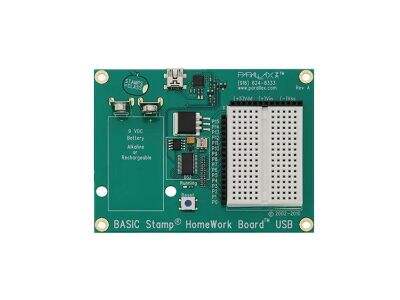
When it comes to making electronic products, there are different ways to put everything together. Two popular methods are Surface Mount Technology (SMT) and Through-Hole Technology (THT). UC uses a special way that combines both SMT and THT for our Printed Circuit Board Assembly (PCBA). This mix helps create stronger and more reliable products. When we use both methods, we can make sure that the parts stick well and work smoothly for a long time. With this combination, UC can deliver products that last, which makes our customers happy.
How Mixed SMT+THT PCBA Assembly Enhances Product Durability for Wholesale Buyers?
Wholesale buyers want products that do not break easily. When we use mixed SMT and THT in our PCBA, it can really help. First, pcb smt assembly allows us to place small parts on the surface of the board. This makes the assembly lighter and helps save space. For bigger components that need extra strength, like connectors and larger chips, THT is the way to go. These parts go through holes in the board and are soldered on the other side. This makes them very strong and hard to pull off. So, by mixing both methods, we ensure that each part is secure. Customers can trust that their products will not fail under stress. Imagine a phone that falls off a table. With our assembly, the parts inside are less likely to break or come loose. This is great news for wholesale buyers who want to sell products that last. UC makes sure that our assembly process is done carefully, which adds to the strength of the final product.
What Makes Mixed SMT+THT PCBA Assembly the Preferred Choice for Reliable Electronics?
Many people wonder why mixed SMT and THT is the best choice for electronics. The answer is simple: it helps create a balance. Some parts are tiny and need SMT, while others are big and need pcb assembly smt. By using both, we can take advantage of the good things about each method. When you look at a gadget, you want it to be light but also tough. With UC’s mixed assembly, we can achieve this balance. For example, in a tablet, the small components like resistors can be placed easily with SMT, while the battery connectors can be secured with THT for durability. This combination helps electronics work better. Plus, our process is efficient, which means we can make more products faster without losing quality. People who buy from UC know they are getting electronics that are built to last. This is why many companies choose our mixed SMT and THT assembly for their products. It’s about making something that not only works well but also stands the test of time. In the world of electronics, reliability is key, and UC is proud to deliver just that.
What Are the Common Issues in PCBA Assembly and How Mixed Solutions Address Them?
In the world of electronics, PCBA stands for Printed Circuit Board Assembly. This is where all the tiny parts of an electronic device come together to make it work. However, there can be problems in the PCBA process. Some common issues include poor connections, parts falling off, and even devices not working at all. These problems can happen for many reasons. One reason is that some parts are really small and need special machines to put them on the board. This method is called Surface Mount Technology (SMT). Another method, through-hole technology (THT), uses larger parts that go through the board and are soldered on the other side. Each method has its own strengths, but they also have weaknesses.
When UC combines smt board assembly and THT in mixed assembly, it can help solve these issues. For example, SMT can place many small parts quickly and accurately. But sometimes, these parts can be less sturdy. THT can help make connections that are stronger because the parts go through the board. By using both methods together, UC can create a PCBA that is more reliable. This mixed solution ensures that both small and large components are securely attached to the board. This means fewer problems like parts falling off or connections not working. Overall, using a mix of SMT and THT helps UC create better products that last longer and work better.
How to Ensure Consistent Quality in Mixed SMT+THT PCBA Assembly for Your Wholesale Products?
Ensuring quality in PCBA assembly is very important, especially for companies that sell products in bulk, like UC. When making many electronic devices, it is crucial that every piece works perfectly. To achieve this, there are several steps that UC can follow. First, it is essential to have a detailed plan before starting assembly. This means knowing exactly what parts are needed and how they will be put together. Next, UC should use high-quality materials. This includes choosing reliable components that meet industry standards. If the parts are not good, the final product might fail.
Another important step is to train the workers well. They need to understand the differences between SMT and THT and how to handle each type correctly. Regular checks during the assembly process can also help catch any mistakes early. This means looking at the work done every so often to make sure everything is going smoothly. With mixed SMT and THT assembly, it's also vital to set up machines correctly. The machines should be regularly maintained to ensure they work perfectly. Finally, UC can conduct tests on the finished products to make sure they are working as expected. By following these steps, UC can ensure that every product that leaves their factory is of high quality and ready for customers.
What Are the Key Advantages of Combining SMT and THT Techniques in PCBA?
Combining SMT and THT techniques in PCBA assembly offers many benefits that can help UC provide better products. One of the main advantages is versatility. By using both methods, UC can work with different types of parts. Some parts are tiny and require SMT, while others are larger and better suited for THT. This means UC can create a wider variety of products, meeting different customer needs.
Another big advantage is improved strength. THT connections are usually stronger because the parts go through the board. This is especially important for products that might get moved around a lot or experience vibrations. Using SMT for small components and THT for larger ones helps UC create a more durable end product.
Cost-efficiency is also a benefit. While SMT can be faster, THT can be cost-effective for larger components. By using both methods, UC can balance speed and cost, making sure they create products that are not only reliable but also affordable. Lastly, the combination of SMT and THT can lead to better performance. Each method enhances the other, leading to improved functionality in the final product. Overall, the mixed approach allows UC to create superior electronic devices that customers can trust and enjoy.
Table of Contents
- How Mixed SMT+THT PCBA Assembly Enhances Product Durability for Wholesale Buyers?
- What Makes Mixed SMT+THT PCBA Assembly the Preferred Choice for Reliable Electronics?
- What Are the Common Issues in PCBA Assembly and How Mixed Solutions Address Them?
- How to Ensure Consistent Quality in Mixed SMT+THT PCBA Assembly for Your Wholesale Products?
- What Are the Key Advantages of Combining SMT and THT Techniques in PCBA?