
 EN
EN
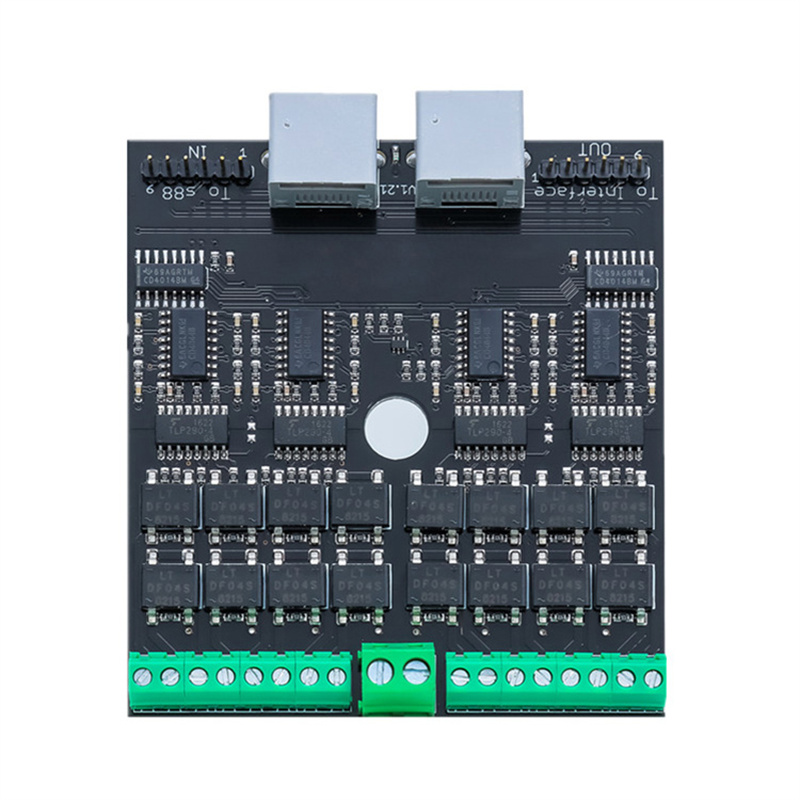
When it comes to making electronic devices, two important processes are Electronic Circuit Board Assembly (ECBA) and PCB Manufacturing. Both are crucial, but they involve different steps and skills. At UC, we specialize in both areas, helping businesses create the best electronic products. Understanding the differences between these processes can help you decide what you need for your project.
How to Choose Between Electronic Circuit Board Assembly and PCB Manufacturing for Your Needs
Choosing between ECBA and PCB Manufacturing depends on your project. If you have a design ready and just need the components put together, then ECBA is your best bet. This process involves taking a printed circuit board (PCB) and adding various electronic parts, like chips and resistors. Think of it like cooking a meal: you have the recipe (the design) and the ingredients (the components). At UC, we take your designs and help you create the final product, ensuring everything works together smoothly. On the other hand, if you need a custom PCB designed from scratch, you should look into PCB manufacturing. This process includes creating the board itself, which is like baking the cake before decorating it. UC has the tools and expertise to create high-quality PCBs that meet your specifications. Consider your timeline and budget too. ECBA can often be quicker because it’s about assembly, while PCB Manufacturing might take longer since you’re creating something new. Both processes are vital in the electronic world, and knowing what you need will save you time and money.
What Wholesale Buyers Should Know About Electronic Circuit Board Assembly
For wholesale buyers, understanding ECBA is key. This process can be cost-effective, especially when ordering in bulk. At UC, we often work with wholesale buyers who need many assembled circuit boards for their products. One important thing to remember is that quality matters. Poor assembly can lead to products that fail, which can hurt your reputation. That's why it’s essential to partner with a reliable company like UC that values precision and quality. Another factor is communication. When you place a large order, make sure you discuss your needs clearly with your supplier. This way, they can provide the best solutions tailored for you. Additionally, be aware of lead times. If you need your products quickly, you should ask about the assembly schedule. UC is known for efficient service, making sure you get your orders on time. Lastly, consider the support you might need. Quality suppliers will help you even after the assembly process, offering advice and assistance if something goes wrong. Understanding these aspects will help you make informed decisions and find the right partner for your electronic needs.
Common PCB Manufacturing and Circuit Board Assembly Issues Explained
When we talk about making electronic devices, two important parts are PCB manufacturing and electronic circuit board assembly. Although they sound similar, they are different steps in creating the final product. First, let's look at common usage issues in PCB manufacturing and electronic circuit board assembly. PCB manufacturing assembly is the process of creating the board itself. This is where the materials are put together to form the base that will hold all the electronic parts. Sometimes, issues can arise during this step. For example, if the materials are not good quality, it can lead to problems later on. If the board is not made correctly, the electronic parts might not work properly. On the other hand, electronic circuit board assembly is the next step where all the tiny electronic parts are placed on the PCB. This step also has its own set of problems. If the assembly is rushed or not done carefully, parts might be placed incorrectly, or they might not stick well to the board. This can lead to failures in the product, which is frustrating for everyone involved. At UC, we understand that both steps are crucial for making sure the final product works well. Each step needs to be done with care to avoid mistakes that can cost time and money.
Understanding the Cost Differences Between PCB Manufacturing and Assembly
Now, let’s talk about the cost implications of PCB manufacturing and electronic circuit board assembly. Both processes have their own costs, which can add up. In electronics PCB manufacturing, the costs include materials, labor, and equipment. If high-quality materials are used, it might be more expensive upfront, but it can save money later because the boards will last longer and work better. At UC, we believe in balancing quality and cost. For electronic circuit board assembly, the costs can vary depending on the complexity of the design and the number of parts that need to be added. More complex designs might take longer and require more skilled workers, which increases costs. However, if the assembly is done quickly and efficiently, it can save money. It’s important to plan and budget carefully for both processes to ensure the overall project stays on track financially. Cutting corners might save money in the short term, but it can lead to bigger problems down the line, costing more to fix.
How to Optimize PCB Design for Faster and More Efficient Circuit Board Assembly
Finally, let’s discuss how to optimize your PCB design for efficient circuit board assembly. Designing your PCB well is very important because it can make the assembly process much easier and faster. A good design includes clear layouts with enough space for all the parts. If the components are too close together, it can be hard for workers to assemble them correctly. At UC, we recommend using software tools that help with the design process. These tools can show if the layout is good or if changes are needed. It’s also smart to follow standard sizes for components, which can make it easier to find the right parts. Additionally, using fewer parts can simplify the assembly process and lower costs. However, it’s important to keep the design functional while making it simple. Testing the design before moving to assembly can help spot potential issues early. By focusing on the design, you can save time and effort during the assembly, leading to a better final product.
Table of Contents
- How to Choose Between Electronic Circuit Board Assembly and PCB Manufacturing for Your Needs
- What Wholesale Buyers Should Know About Electronic Circuit Board Assembly
- Common PCB Manufacturing and Circuit Board Assembly Issues Explained
- Understanding the Cost Differences Between PCB Manufacturing and Assembly
- How to Optimize PCB Design for Faster and More Efficient Circuit Board Assembly